The price-gouging law is now in force. Here's how to check any grocery price yourself.
Since 1 July 2026 it's been illegal for Coles and Woolworths to charge prices that are “significantly excessive”. Here's what that means — and three quick checks that keep the power in your hands at the shelf.
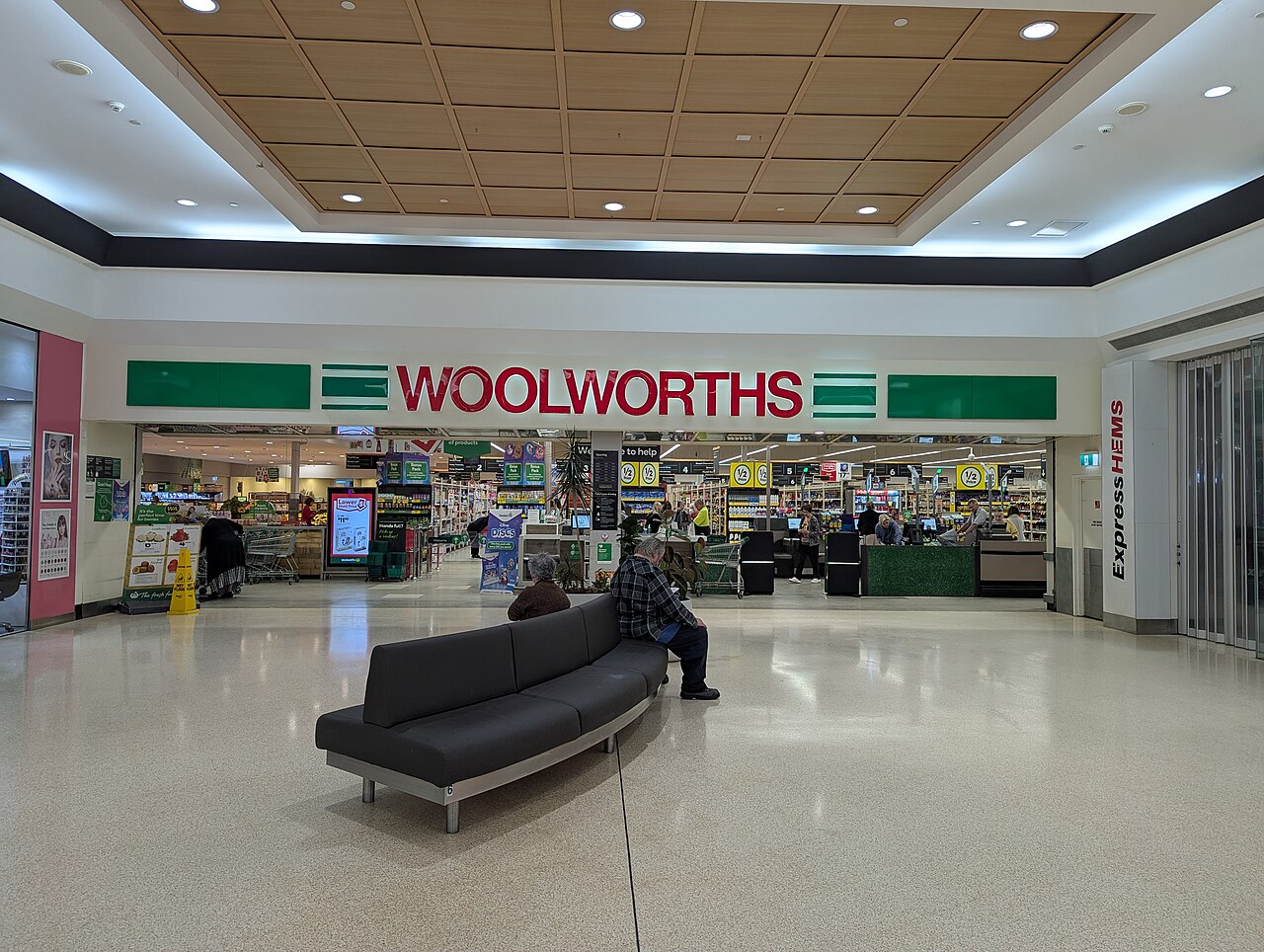
On 1 July 2026 a long-awaited law kicked in: for the first time, it's illegal for Australia's biggest supermarkets to charge prices that are significantly excessive. It's a big win for shoppers — but a law aimed at the boardroom won't tell you whether the “½ price” sticker in front of you is real. Here's the plain-English version, plus three checks you can do yourself on every shop.
What actually changed on 1 July
Since 1 July 2026, supermarkets with over $30 billion in annual revenue — right now just Coles and Woolworths — can't charge prices that are significantly excessive versus what it costs them to supply, plus a reasonable margin. The ACCC enforces it, with penalties up to the greater of $10 million, three times the gain, or 10% of annual turnover. It follows the ACCC's supermarkets inquiry — the same review that found Coles' “Down Down” tickets were sometimes dearer than before.
Check 1: read the unit price, not the shelf price
The number that matters isn't $4.50 — it's the little $ per 100g (or per litre) underneath. It's the only fair way to compare a 500g block with a 250g one, or a “value” pack with a single. Bigger isn't always cheaper per gram — train your eye on the unit price and half the shelf tricks stop working.
Check 2: is the “was” price actually real?
A red “was $6.50, now $4.50” only counts if the product was genuinely $6.50 for a decent stretch. Sometimes the “was” is a price the item barely ever charged — essentially what the ACCC pinged Coles for. The tell is history: a quick look at what a product has actually sold for lately gives a fake anchor away instantly.
Check 3: who's actually cheapest this week
The cheapest shop for your mince is rarely the cheapest for your washing powder, and it changes weekly. The only way to know is to compare the same items across every store at once — a lot of tab-hopping by hand, and exactly the kind of legwork worth handing to an app.
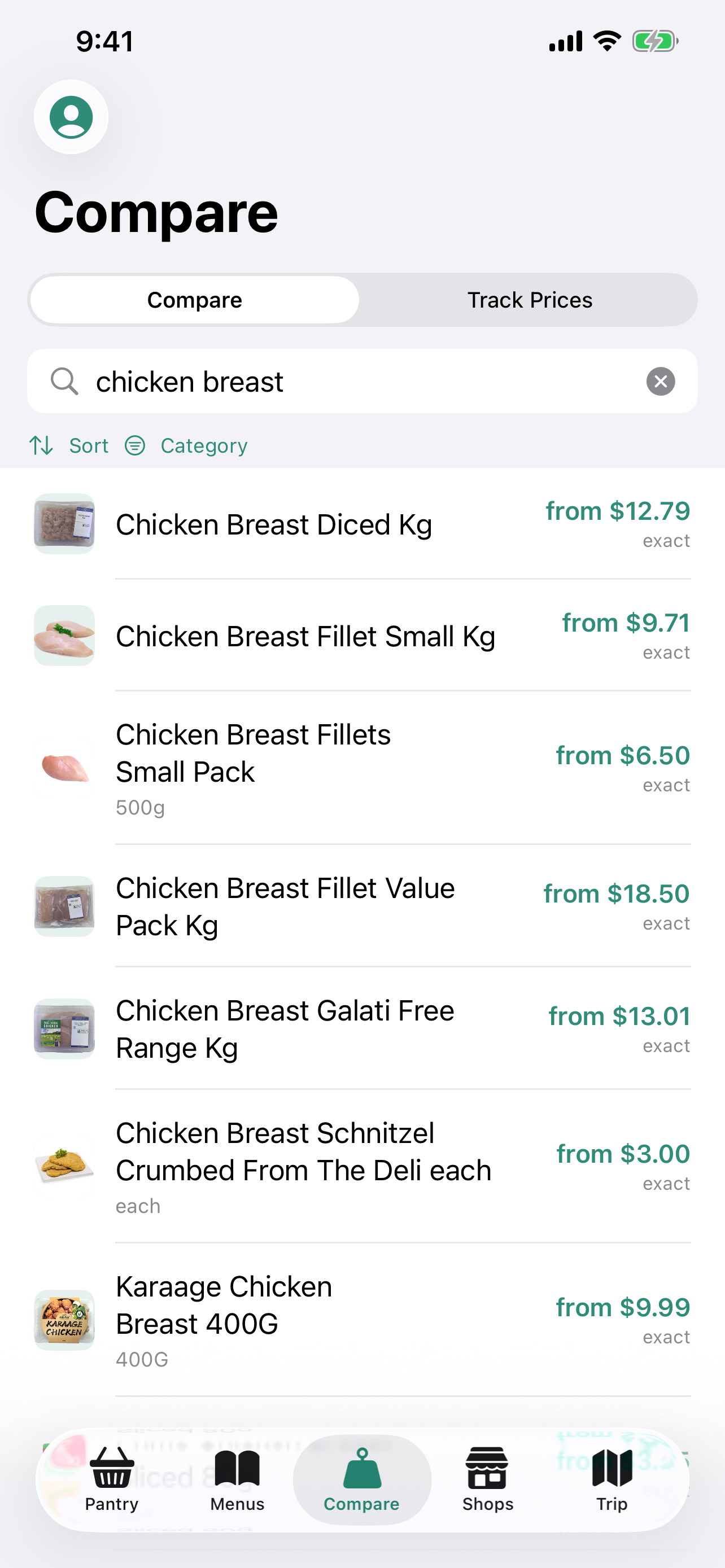
That's what Mai Pantry does — for free
Mai Pantry does all three for you. Search any product and see it priced across Coles, Woolworths, ALDI, IGA and Spudshed side by side, each with its unit price. Plan a week of meals and it builds the priced list; ask for a trip and it finds the cheapest way to buy the lot.
The law is a big step. Your own three-second checks are how you make sure the savings land in your pocket.